Deck Installation: What to Know About Professional Deck Builder Services
When considering the services of a professional deck builder, customers can expect a well-organized process to transforming their exterior living areas. From the opening discussion to the concluding steps, each phase is crafted to secure quality and compliance with local standards. Being aware of what lies ahead can streamline the process and enhance satisfaction. However, clients frequently feel uncertain about their role and responsibilities throughout this journey. documentation What key information should they have before beginning this endeavor?
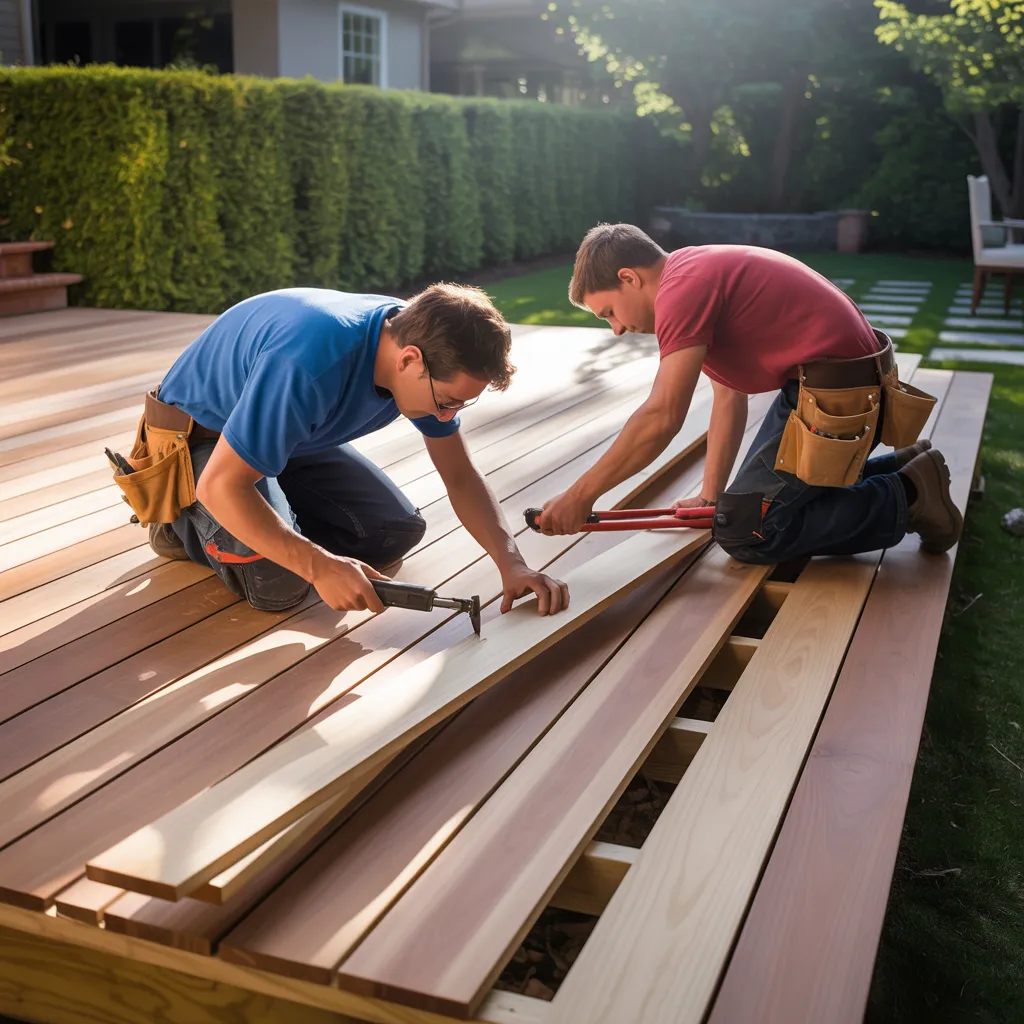
The Importance of a Professional Deck Builder
A talented deck building specialist serves a vital function in enhancing exterior living areas. Their knowledge includes material selection, design, and construction, guaranteeing that each undertaking meets the client's vision and local building codes. By analyzing the unique characteristics of a site, they can recommend fitting design options that boost both functionality and visual appeal.
These skilled specialists are proficient in overseeing the complete construction process, working closely with suppliers, and meeting project deadlines. They possess a deep understanding of various materials, from wood to composite, equipping them to counsel clients on material durability and ongoing maintenance.
Moreover, a professional deck builder provides structural stability, enforcing protective measures that meet established building codes. Their professional background eliminates frequent mistakes, delivering a efficient construction process and a successful conclusion. At the end of the day, a qualified deck builder not only constructs useful outdoor environments but also provides substantial value to a residence through meticulous design and quality craftsmanship.
What to Expect in Your Initial Consultation
At the first meeting, clients can expect a thorough discussion of their project goals, giving the builder insight into their expectations. Additionally, preferences regarding design elements will be explored to ensure a match between the client's expectations and the builder's capabilities. This essential meeting lays the groundwork for a smooth deck-building experience.
Project Objectives Overview
When customers participate in an initial consultation for deck construction services, they can anticipate a comprehensive conversation intended to establish project goals and preferences. This discussion generally starts with clients outlining their vision for the deck, including intended uses such as entertaining or relaxation. Experts will ask about particular features, preferred materials, and financial limitations. They will also discuss applicable local requirements or site considerations that might influence the outcome. By actively listening to the clients' needs and expectations, the contractor can ensure consistency between the project scope and the client's desires. Setting these core objectives is essential for an effective collaboration, which shapes the design and construction phases that follow.
Design Preference Discovery
How should clients express their design preferences when meeting with deck building professionals for the first time? Clients should come prepared with ideas, sketches, or images that reflect their vision for the deck. Communicating preferred styles—whether modern, rustic, or traditional—enables builders to gain a clearer understanding of the client's aesthetic goals. It's also beneficial to discuss the intended use of the deck, whether for entertaining, relaxation, or family gatherings. Careful consideration of materials, colors, and features including railings or lighting is important, since these components have a major impact on the overall design. Maintaining open communication is key; posing questions and remaining open to the builder's recommendations can result in a more personalized outcome. This collaborative approach guarantees that both parties align on the vision and practical aspects of the project.
What Role Do You Play in the Deck Construction Process?
What role should one assume in the deck construction process? Homeowners should adopt an engaged yet team-oriented position, working alongside experienced contractors while transparently conveying expectations and specifications. This involvement guarantees that the completed structure aligns with personal vision and practical requirements.
To begin, residents should collect ideas and compile a catalog of preferred features, including style, materials, and usability. Through this process, they offer design-build experts with a well-defined basis for planning discussions.
Next, it is crucial to be open to professional insights. Contractors often bring important knowledge regarding structural integrity, area-specific regulations, and financial practicality.
Finally, homeowners need to establish a budget and timeline from the outset, enabling clear communication and establishing realistic expectations. By aligning their goals with professional guidance, homeowners can be instrumental in constructing a deck that transforms their outdoor living environment.
How to Bring Your Design Concepts to Life
Transforming design concepts into reality requires a strategic approach that bridges imagination and execution. First and foremost, establishing a clear vision is vital, ensuring every design component reflects the homeowner's preferences. Skilled deck construction experts commonly advise producing thorough sketches or utilizing 3D rendering software to precisely envision the completed project.
Additionally, developing a realistic budget and timeline is crucial. During this stage, it is important to discuss addressing anticipated hurdles, such as ground conditions or regulatory requirements, with the building professional to foresee and resolve any complications. Maintaining open communication is vital; regular updates and consultations help maintain the project's direction toward the original vision.
To conclude, hiring an experienced deck builder who recognizes the complexities of bringing designs to life ensures that the transition from idea to reality is seamless. By applying these strategies, households can assuredly manage the conversion of their design ideas into a remarkable, efficient outdoor living environment.
How to Choose the Ideal Materials for Your Deck
Picking the ideal materials for a deck requires close examination of several alternatives, including composite and wood materials. Every option offers unique benefits, particularly concerning aesthetics and durability. Furthermore, understanding weather resistance is essential for achieving long-lasting performance in various weather conditions.
Comparing Wood and Composite Options
Choosing the best materials for a deck can considerably influence its durability, maintenance, and aesthetic appeal. Homebuilders often encounter the dilemma between conventional wood and composite decking. Natural wood, traditionally chosen for its natural beauty and warmth, provides a classic look but necessitates routine care, including staining and sealing. In contrast, composite lumber, made from a blend of wood fibers and plastic, delivers a reduced-maintenance solution that withstands fading and splintering. Even though it can involve a larger initial expense, composite materials often prove more durable over time. In the end, the selection is determined by personal priorities, budget constraints, and future maintenance expectations, influencing the overall satisfaction with the finished deck.
Weather Resistance Factors
When considering deck materials, weather resistance is an essential factor that significantly impacts durability and functionality. Choosing the right materials can prevent damage from moisture, UV rays, and temperature fluctuations. As an example, composite decking frequently incorporates advanced technology to resist fading and warping, making it well-suited to varied climates. Pressure-treated wood is another option, but it needs ongoing care to address rot and insects. Additionally, tropical hardwoods, recognized for their natural oils, provide exceptional resistance to weather but can be costlier. At the end of the day, analyzing the local weather conditions and studying the attributes of different materials aids in identifying a deck that endures various weather conditions, providing a resilient and beautiful outdoor space for years to come.
Project Timeline: What You Can Expect
What is the typical timeline for a deck construction project? The timeline for deck construction can vary considerably based on several factors, including the intricacy of the design, the type of materials used, and current weather conditions. Generally, a straightforward deck installation may take between one to three weeks. This period covers a number of distinct stages, starting with the initial consultation and design approval, followed by site preparation and material acquisition.
When all required permits have been secured, the construction phase gets underway. This period involves framing, deck installation, and final details, such as railings and stairs. Each step requires careful attention to detail and could be impacted by unforeseen delays, such as adverse weather conditions or supply chain disruptions. Homeowners should anticipate regular communication with their deck builders to stay informed about progress and any potential adjustments to the timeline. Overall, understanding the construction timeline helps set realistic expectations for homeowners beginning their deck installation journey.
Top Deck Building Challenges and How to Overcome Them
Building a deck poses various challenges that can push even the most experienced builders. Of these challenges, site preparation often proves to be a considerable hurdle. Rough landscape or insufficient drainage can complicate the building process. Builders can address this issue by conducting detailed assessments and applying effective leveling methods.
A frequent obstacle involves choosing the appropriate materials. Given the wide range of choices on the market, finding the right balance between appearance, budget, and longevity is essential. Experts can address this challenge by offering clients thorough breakdowns of materials appropriate for particular settings.
Weather conditions also pose a challenge, as unexpected rain or extreme temperatures can delay projects. To combat these conditions, planning for flexible timelines and keeping a close eye on forecasts is essential.
Lastly, complying with regional building standards and requirements can be challenging. Staying updated on such regulations and collaborating with local authorities can expedite the review process, guaranteeing adherence and prompt project completion.
Deck Builder-Recommended Maintenance Tips for Longevity
Completing a deck build is only the first step in keeping a stunning outdoor area. Regular maintenance is essential for longevity and aesthetics. Experienced deck contractors advise periodic evaluations, looking for unstable boards, oxidized screws, or evidence of deterioration. Thoroughly cleaning the deck at least twice per year is critical; using a gentle cleanser and a soft brush can prevent dirt buildup and mold growth.
Using a protective sealant every couple of years helps guard against UV damage and moisture, maintaining the wood's strength. During the fall, it's advisable to clean away leaves and debris to prevent moisture retention and potential rot.
Furthermore, homeowners should confirm proper drainage around the deck to reduce water accumulation. If the decking surface is stained or painted, renewing these treatments can enhance both appearance and durability. By adhering to these best practices, homeowners can make the most of their decking areas for a long time, enhancing their outdoor enjoyment and investment.

Popular Questions We Receive
How Much Does a Professional Deck Building Service Typically Cost?
A professional decking service generally costs anywhere from $15 to $35 per square foot, influenced by materials, design complexity, and location. Extra costs may stem from permits and custom features, affecting the overall price.
Which Permits Are Required for Building a Deck?
Generally, permits required for deck construction consist of inspections, building permits, and zoning approvals, with requirements differing by area. Homeowners should review local regulations to guarantee regulatory compliance and steer clear of potential fines or construction delays during the project.
Can Changes Be Made During the Construction Process?
Modifications can often be made during the building process, but they may require approval from the contractor. Modifications might affect schedules, budgets, and materials, so clear communication with the builder is vital for a seamless adjustment.
Do Deck Contractors Provide Warranties on Their Work?
Numerous deck contractors offer warranties on their projects, ensuring protection against flaws in both materials and labor. These warranties can vary in duration and coverage, so homeowners should take care to confirm the specifics before construction begins.
How Long Can My Deck Last With the Right Maintenance?
Through regular maintenance, a properly constructed deck can last 15 to 25 years in excellent condition. Periodic inspections, cleaning, and sealing are vital to extend its lifespan, maintaining structural integrity and visual appeal throughout its use.