Building Your Own Deck: Essential Tips for the Ambitious Homeowner
The DIY Deck Building Guide provides valuable guidance for homeowners looking to enhance their outdoor entertainment spaces. It stresses the critical role of location, design, and material selection. Each step in the building process is essential for achieving a functional and aesthetically pleasing deck. Unfortunately, many homeowners miss common challenges that can occur during the building process. Being aware of these issues can play a major role in the overall success of the build. What should homeowners consider before they begin?
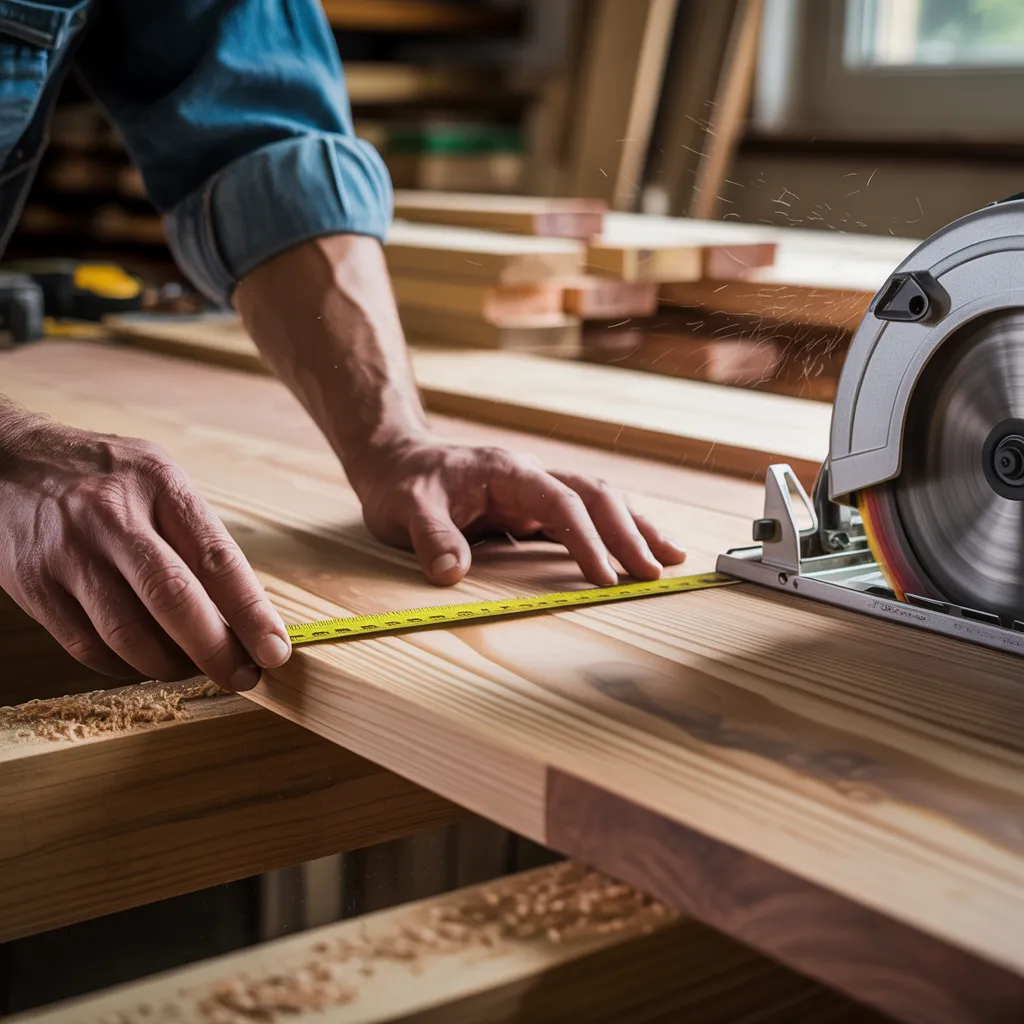
Choosing the Right Location for Your Deck
When selecting the optimal location for a deck, what factors should be considered? First and foremost, the sun's orientation plays an important role. A southward orientation can provide ample sunlight, great for leisure, while a northern exposure might offer more shade. Furthermore, examining the ground is vital; a level surface makes building easier and improves stability. Closeness to the home is another key consideration, as it facilitates access and encourages use. Furthermore, local zoning laws and property lines must be checked to confirm conformity.
Landscaping elements, such as trees and shrubs, can offer privacy and visual appeal but may also need regular care. Lastly, considering the intended purpose of the deck—whether for relaxing, dining, or entertaining—will determine its ideal location. By thoroughly evaluating these considerations, homeowners can choose a location that maximizes enjoyment and functionality.
How to Develop an Effective Deck Design Plan
A comprehensive deck design plan is crucial for making sure the final result satisfies both practical and visual requirements. Property owners should start by assessing their everyday needs, such as the intended purposes of the deck—whether for entertaining, relaxation, or outdoor dining. It's essential to reflect on the size and shape of the deck in relation to the existing area, making sure it harmonizes with the current architecture and surroundings.
Next, property owners should create a floor plan that includes details like sitting spaces, guardrails, and fixed planters. This plan should emphasize flow and accessibility, facilitating seamless transit. In addition, homebuilders are required to take into account adherence to municipal codes and regulations.
In addition,including aesthetic components such as color palettes, materials, and illumination will enhance the visual appeal. By carefully blending usability with aesthetic considerations, a thorough deck design plan can greatly elevate outdoor lifestyle experiences.
Critical Materials Needed for Deck Construction
Selecting the right materials is a key step in the deck construction process, subsequent to the comprehensive design plan developed earlier. Homeowners must explore several options, including plastic, wood, and composite materials. Treated lumber continues to be a widely preferred choice due to its durability and affordability. Nevertheless, it demands consistent care to prevent decay.
Composite decking presents a low-maintenance alternative, blending wood fibers with plastic, despite the fact that it often carries a higher starting price. For homeowners desiring a more organic look, natural hardwoods including teak or ipe provide exceptional longevity and beauty though they necessitate thoughtful maintenance and treatment.
Alongside decking boards, necessary materials encompass strong posts, beams, and joists, which make up the deck's structural foundation. Hardware, including screws and brackets, should be selected according to material compatibility to ensure stability. Finally, railings and balusters enhance safety while adding style to the deck's design.
Deck Construction: Step-by-Step Guidelines
During the process of building a deck, understanding the necessary materials is essential for success. A structured step-by-step plan will direct individuals through each phase of the project, making certain the resulting structure is both strong and safe. Additionally, safety precautions must be prioritized to protect everyone involved in the project.
Supplies You'll Need
Constructing a deck necessitates thorough planning of the supplies needed to guarantee longevity and visual appeal. Homeowners should start by choosing top-grade timber, such as composite materials, cedar, or pressure-treated wood, which deliver durability against moisture and insects. Fasteners and connectors, including galvanized screws and brackets, are vital for long-term strength. A weather-resistant coating or sealant will protect the wood from moisture and UV damage, improving overall durability. Additionally, property owners will need concrete for footings and support posts, providing a stable base. Safety equipment, including goggles and gloves, is necessary for protecting oneself during construction. To complete the project, tools such as a level, drill, and circular saw will support the overall build, making it both effective and accurate.
Step-By-Step Process
After gathering the needed components, the following step involves executing a systematic approach to deck construction. The procedure initiates with defining the perimeter by means of stakes and string to outline the deck's parameters. Next, the footings are dug out and concrete is placed to provide a solid base. When begin now the footings are fully cured, the copyright board is secured to the house. Following this, the framing is constructed, employing joists spaced evenly for stability. The decking boards are then placed transverse to the joists, fastened firmly. Railing posts are positioned at specified points, accompanied by the railing itself for both safety and visual appeal. Finally, any last refinements, such as applying stain or sealant, are applied to strengthen durability and enhance appearance.
Necessary Safety Precautions
Before starting on deck construction, it is crucial to put safety first to avoid accidents and injuries. Homeowners ought to outfit themselves with appropriate personal protective equipment (PPE), including protective goggles, gloves, and durable footwear. Furthermore, ensuring the work area is properly secured is critical; this may require the use of barriers to prevent children and pets from entering the construction zone. Proper ladder usage is essential, along with confirming it is steady and correctly positioned. Homeowners should also remain conscious of their environment, particularly any overhead power lines in the vicinity. Additionally, keeping tools organized and in good condition can prevent mishaps. Lastly, having a thorough knowledge of the materials and how to handle them will strengthen safety throughout the deck building process, contributing to a positive and secure final result.
What Should You Avoid When Building Your Deck?
Preventing frequent errors is critical for a well-executed deck-building project. One critical oversight is not verifying local building codes and zoning regulations, which can lead to significant fines or necessary alterations. Additionally, failing to plan for proper drainage can result in water accumulation, damaging both the deck and the surrounding area. Yet another pitfall is the use of inferior materials; this can weaken the deck's overall strength and longevity.
Insufficient support presents another serious concern; placing too much weight on the deck or failing to use enough joists may create dangerous conditions. Many homeowners tend to neglect the necessity of accurate measurements, leading to uneven surfaces or components that are not properly aligned. Ultimately, rushing the project can lead to shortcuts that undermine quality. When homeowners take care to avoid these pitfalls, they can secure a safer and more resilient deck that elevates their outdoor environment.
How to Maintain Your Deck for Longevity
Upkeeping a deck necessitates a systematic approach to secure its longevity. Developing a consistent cleaning schedule and performing timely inspections can considerably enhance the longevity of the surface. These steps serve to detecting potential problems in a timely manner and maintain the deck in ideal condition.
Standard Cleaning Schedule
A regular cleaning regimen is essential for maintaining the appearance and integrity of a deck over time. Property owners should make an effort to clean their decks at least two times a year, ideally in the spring and autumn. This routine helps eliminate dirt, debris, and mold that can accumulate and lead to decay. Using a leaf blower or broom to sweep away loose debris is a easy first step. For more thorough cleaning, a solution of water and mild detergent can be used with a soft-bristle brush, followed by complete rinsing. Special attention should be paid to areas around furniture and railings, where buildup is more likely. Regular cleaning not only elevates the deck's aesthetic but also greatly increases its longevity.
Seasonal Inspection Tips
Following the establishment of a regular cleaning schedule, it is essential for homeowners to focus on periodic seasonal evaluations to ensure the deck is maintained in peak condition. As spring arrives, it is important to look for winter damage, such as loose boards and damaged railings. Summer inspections focus on assessing the condition of the wood and verifying that fasteners are properly secured. In autumn, property owners need to remove debris and examine for mold or mildew, which can thrive in damp conditions. Finally, winter inspections should assess snow accumulation and ice buildup, as these can cause structural strain. Regularly applying sealants and stains during inspections offers enhanced defense against environmental factors. By adhering to these seasonal recommendations, homeowners can extend the life of their deck and copyright its overall appearance.

Questions We Often Receive
Do I Need a Building Permit for a Deck?
Whether a permit is necessary for constructing a deck is determined by local regulations. Typically, homeowners should consult their city or county building department to identify specific requirements and confirm compliance with safety standards and zoning laws.
How Do I Find the Right Contractor for My Deck Project?
To choose the right contractor for a deck, one should review qualifications, evaluate references, compare estimates, confirm proper credentials, and evaluate interpersonal skills. Trustworthiness and experience in deck building are vital for a successful project.
What Is the Ideal Season for Building a Deck?
Spring and early fall are considered the best seasons for deck construction. Moderate temperatures and reduced humidity promote efficient work, while avoiding extreme weather conditions guarantees materials adhere properly and improves the long-term durability of the project.
Is Building a Deck on a Slope Possible?
Indeed, a deck is able to be constructed on a slope. That said, proper planning and structural support are essential to ensure durability and safety. Strategies like post-and-beam construction or terracing might be necessary for successful outcomes.
How Should I Budget for My Deck Project?
When budgeting for a deck project, it is important to consider materials, tools, labor, permits, and unforeseen expenses. Creating a detailed estimate and allocating a contingency fund will help manage costs effectively throughout the construction process.